

Water
Reducing non-revenue water (NRW)
30–50%less non-revenue water
Night-time measurement district by district to locate the leak. Crews go straight to the point.
With flow meters, pressure probes and RTUs.
Software to operate today. Observability and Advi for the next step: understanding the network’s signals and anticipating where to act.
WHAT WE DELIVER
Results by network type.
Water-user associations · hydrants, ponds and turns

Opening, closing and turn scheduling from the office, with no need to travel the network.
With a hydrant RTU, valve and meter.

Only the pressure required, with irrigation in the most economical hours. Solar pumping included.
With drives, pressure probes and a power analyser.

A daily comparison between the water entering each branch and what its hydrants measure. Each member pays for what they receive.
With a branch macro-meter and hydrant meters.
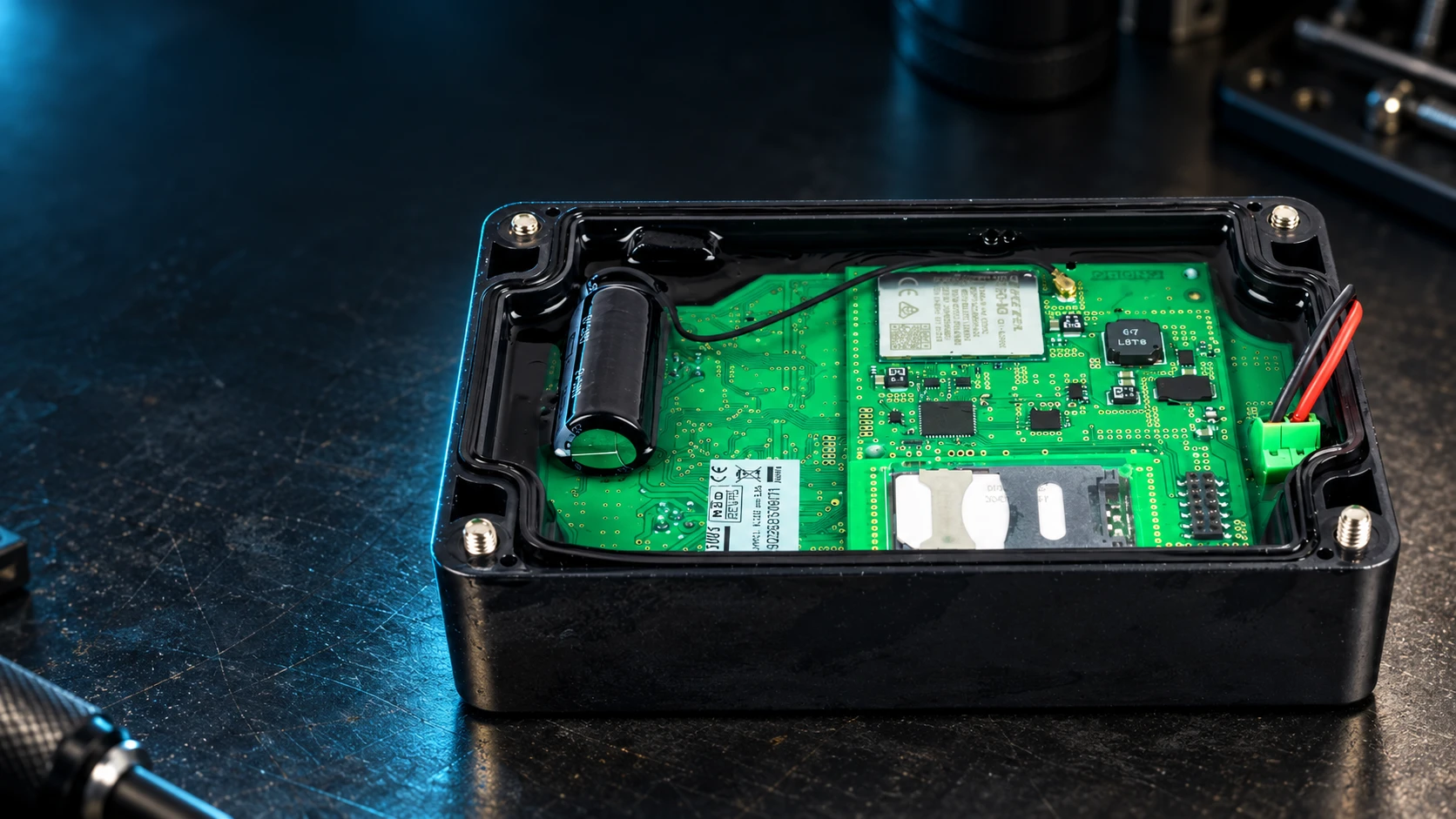
Volumes recorded and available to the basin authority, which can exempt the user from periodic filing.
With a no-reset meter and an RTU.
Percentages are indicative industry ranges: outcomes depend on each network’s starting condition and operating context. The twenty observability rules presented on this page are in development.
01 / miiwater SOFTWARE
The three work together over the same network: what appears on the map is what is scheduled in the shift and what is sent to the drive. No exporting to Excel, no intermediate integrator and no three licences to make them communicate.
The entire network.
In the detail required.
Every point on the map. Flow, pressure and level with history and alarms to move from the network overview to the point that needs attention.
The incident is detected before a call from the irrigator arrives.
Map and remote-unit status · History and measurement trends · Alarms to focus the review
The irrigation plan.
With the field in context.
Organisation of sectors, schedules and consumption. Soil and weather data feed into planning, with decisions in the hands of the team.
The schedule is set from each plot’s real consumption, not from habit.
Irrigation sectors and schedules · Readings and consumption by sector · Soil and weather data
From data to command.
Operations under the operator’s control.
Process views to supervise pumps, tanks and valves. Setpoint adjustment and equipment operation from the control room.
Starting, stopping or changing a setpoint no longer requires a trip to the pump house.
Hydraulic process views · Pumps, valves and setpoints · Supervision and control from the platform
02 / OBSERVABILITY · PRESSURISED IRRIGATION
A pressurised irrigation scheme does not fail the way an urban network does: it fails through concentrated seasonal demand, open water, pumps working at their limit and chambers sitting in the middle of the crop. These are the twenty we have run into over nine years, and what would have to be crossed to anticipate them.

What is at stake, what to watch and which signals have to be crossed. None of them is live yet.
WaterMain burst seen as runaway flow
the burst main keeps losing water, counted as consumption until someone spots it in the field
If flow leaving the pond or the main pumping station exceeds design capacity, that is not demand: a main has burst.
Signals crossedoutlet flowdesign capacity
WaterWater balance by branch
the branch line loses water that no hydrant records, and the loss goes unnoticed
It subtracts the branch master meter from the sum of its hydrants over 24 hours and places the leak on the secondary main.
Signals crossedbranch macro-metersum of hydrants
WaterLicensed abstraction and well level
pumping continues below the suction limit and the month closes outside the abstraction licence
If the dynamic level nears the suction limit or the month’s total approaches the licence, it stops the pump and warns.
Signals crosseddynamic levelmonthly volumelicence
WaterEvaporation or a torn pond liner
seepage is attributed to evaporation, and the reservoir keeps losing water without being repaired
It crosses pond level in hours with no pumping or irrigation against radiation, wind and temperature: what evaporates versus what seeps out.
Signals crossedreservoir levelradiationwindtemperature
WaterLatch valves stuck open
the hydrant is shut, taken as shut, and the sector keeps irrigating until the next watering turn
After the close pulse it watches the hydrant meter for two minutes. If flow does not fall to zero, the valve stayed open.
Signals crossedclosing pulsehydrant meter
WaterMeters spinning on air
water that never flowed is booked as consumption, and the network balance ceases to be useful
On filling, trapped air spins meters at impossible rates. It flags those spikes so they never count as consumption.
Signals crossedmeter pulsesnetwork filling
EnergyPumping efficiency in kWh/m³
more energy is consumed to lift the same water, and wear advances unmonitored
It watches the energy cost per cubic metre lifted to the pond. If it climbs, there is impeller wear or friction loss.
Signals crossedpumping energyvolume lifted
EnergyPumping that follows demand
without reading which hydrants are open, surplus pressure is pumped and the network returns it as bursts
It reads which hydrants are open and adjusts the drives to hold the required pressure, without surges that could burst the pipe.
Signals crossedopen hydrantsdrive setpoint
EnergyPressure at the farthest outlets
the far end of the network irrigates below its set point and it is only detected through a complaint
It monitors the network’s critical points. If they drop below the sprinkler or drip setpoint, it reorganises the turns.
Signals crossedpressure at critical pointsemitter setpoint
EquipmentMass valve opening
the command is executed, pressure falls and the pumping stations fall out of step before the cause is known
It blocks the command if someone asks to open an abnormal number of latch valves at once: pressure would collapse and the pumps destabilise.
Signals crossedsimultaneous commandsnetwork pressure
A further ten, already written, available on request.
clogging at the trash rackgates that read closed and still pass watercanal overtopping and siphoningdosing against zebra musselirrigation outside its slotenergy for the latch pulsenodes gone silentsignal that degrades as the crop growsfreezing at the hydrantpressure probes drifting out of calibration
03 / ADVI · INTELLIGENCE FOR THE NETWORK
Advi watches the signals, crosses the relevant ones and, when it detects an anomaly, sends a message to the phone. Not an alert saying “alarm in sector 3”, but a message stating what is happening, where, and what to do.
The branch macro-meter does not match the sum of its hydrants. It is 03:14 and nobody is in front of a screen.
It crosses flow, pressure and the irrigation schedule, rules out what is consumption and names the likely cause.
A message with what is happening, where to look and what to do. Ten seconds to read, at night, without opening a laptop.
Today no message indicates which two chambers the leak is between.
By WhatsApp, in the app or by email · configurable per shift and per person
What is happening
North branch: the macro-meter is 42 m³ above the sum of its hydrants over 24 h, with the network in its night shutdown. This does not correspond to consumption.
What to do
Close sector 03 and check the secondary main between chambers 12 and 17. If the flow drops to zero, the leak is in that section.
Example message, built from rule 14 of the observability catalogue. Advi is in development: none of the twenty is live yet.
SUPPORTED OPERATIONS
Service Desk Standard and Premium add remote support and coverage levels with an SLA. Certified partners complete the service in the field.

Remote assistance and incident support.
A written SLA: response times are known before they are needed.
When a point stops reporting, someone detects it and someone takes charge. People and tools with a written SLA, watching the telemetry and supporting the customer’s team — comms and servers included, nothing else to contract.
Communications · servers · Service Desk (people + digital toolbox) with a defined SLA · SaaS app upkeep and over-the-air (OTA) firmware updates for the RTUs · managed change requests (users, naming, irrigation scheduling).
Annual subscription per network; priced by number of points and SaaS apps contracted. Includes a defined allowance of change requests.
Best with miiwater SaaS; limited functionality on third-party SCADA.
Wider coverage. Proactive monitoring.
Weekends are covered too: the irrigation season does not stop on a Friday.
The same, with monitoring ahead of any call. Extended hours including weekends and permanent monitoring: what is detected is communicated in a report, without the customer having to call.
Everything in Service Desk Standard · extended service hours including weekends · permanent proactive monitoring with periodic reports.
Annual subscription per network, on top of Service Desk Standard.
Service Desk Standard and miiwater SaaS.
On the ground · field services
Our certified partner network installs, commissions and maintains the equipment. miiwater provides the hardware, software, procedures and technical support.
On-site support for installation and start-up of RTUs, sensors and cabinets.
Scheduled maintenance and periodic technical reviews of the installed fleet.
Warranty extension beyond the standard term, plus spare parts and replacement units.
Certified partners · installation, maintenance and warranty
Join the networkConsulting and integration are billed separately on T&M when the agents need humans behind them — implementation, custom integrations, expert workshops. Not packaged as a service tier.
THE NEXT STEP FOR THE NETWORK.
Tell us what you operate, what you need to control and what you want to anticipate. We’ll design your network’s next step with you.
Let’s talk about your network


